Detailed Review of Major Indian BrokersBest Stock Brokers in India 2026: A Complete Review for Every Type of Trader Detailed Review of Major Indian Brokers
Choosing a stockbroker is the most important decision you will make in your trading journey. Whether you are an intraday trader, a long-term investor, or someone just starting to explore the stock market, your broker is your partner in wealth creation.
In 2020, many retail traders entered the market. By 2026, the landscape has changed. With new technology like AI-driven insights and instant margin funding, the choice is no longer just about the “cheapest” brokerage. It’s about reliability, technology, and speed.
As someone who has been trading since 2020 and spent a decade in the high-pressure textile industry, I know that costing and compliance matter. Just like a garment factory needs the right machinery to stay profitable, a trader needs the right platform to survive the market’s volatility.
1. The “Discount Broker” Revolution: Best for Cost-Saving
If your goal is to minimize costs, discount brokers are your best bet. They offer a flat fee (usually ₹20) regardless of your trade size.
Zerodha: The Gold Standard
Founded in 2010, Zerodha is the pioneer of discount brokerage in India.
- The Tech: Their “Kite” platform is incredibly clean. If you are a technical analyst who uses Moving Averages or RSI, Kite is distraction-free.
- The Verdict: Best for tech-savvy traders and those who value simplicity.
- Pro Tip: Their “Console” back-office is the best for analyzing your monthly P&L.
Upstox: Backed by Giants
Upstox is a strong competitor to Zerodha, backed by Ratan Tata.
- The Edge: They offer a built-in “Options Strategy Builder” which is a lifesaver for F&O traders.
- The Verdict: Great for beginners who want modern tools without high costs.
Groww: The Millennial Choice
Groww started as a mutual fund platform and has become a favorite for beginners due to its “Easy-to-Use” interface.
- The Verdict: Best for mutual fund investors and those buying their first stocks.
2. The “Full-Service” Giants: Best for Research & Support
Full-service brokers charge a percentage (like 0.25% to 0.50%), but they provide research reports and personal advisory.
Angel One: The Hybrid King
Angel One has successfully moved from a traditional model to a tech-first approach.
- Why it’s unique: You get the low flat-fee of a discount broker but the research and advisory of a full-service broker.
- The Verdict: Best for new investors who need professional “Buy/Sell” ideas while paying low brokerage.
ICICI Direct & HDFC Securities
These are bank-backed brokers. If you have an ICICI or HDFC bank account, the 3-in-1 account (Bank + Demat + Trading) makes fund transfers seamless.
- The Verdict: Best for High Net-Worth Individuals (HNIs) and conservative investors who prioritize security over low brokerage.
3. Specialized Brokers for Active Traders
Dhan & Fyers: The Charting Specialists
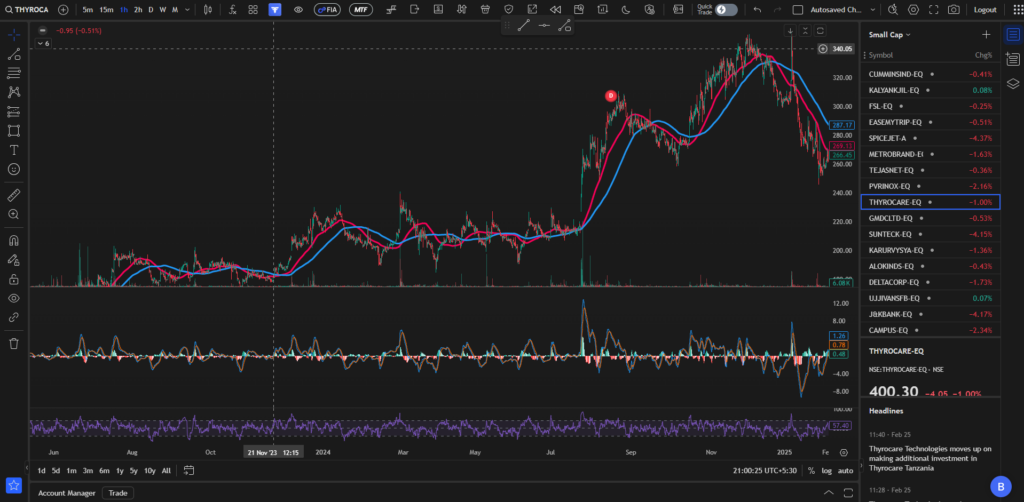
For traders who live on charts, Dhan and Fyers offer deep integration with TradingView.
- Dhan’s Edge: You can trade directly from the charts. No need to switch tabs between your analysis and your order window.
- The Verdict: Best for Scalpers and advanced Option traders.
4. Comparing the Costs: A Business Perspective
In my 10 years in the textile industry, we always calculated the “Cost of Production.” In trading, brokerage and taxes are your “Cost of Production.”
| Broker | Delivery | Intraday/F&O | Best Suited For |
| Zerodha | ₹0 | ₹20 | Discipline & Speed |
| Angel One | ₹0 | ₹20 | Guidance & Margin Funding |
| Groww | ₹0 | ₹20 | Total Beginners |
| ICICI Direct (Neo) | ₹0 | ₹20 | Bank Security |
| Motilal Oswal | 0.2% | 0.02% | High-End Research |
5. How to Choose? My “3-Step Framework”
Based on my 6 years of trading history, here is how you should decide:
- Define Your Style: If you trade 10 times a day, go for Zerodha or Dhan (save on brokerage). If you invest once a month, go for Angel One or ICICI Direct (get research).
- Check the Mobile App: Download the app first. Is it fast? Does it crash? Your money depends on that app working at 9:15 AM.
- The Two-Account Strategy: I always recommend keeping a “Safe Account” (like HDFC or ICICI) for long-term investments and a “Trading Account” (like Zerodha or Dhan) for your F&O and Intraday trades.
Final Verdict: Which is India’s No. 1?
- For Lowest Cost: Zerodha or Upstox.
- For Best Research: Angel One or Sharekhan.
- For Advanced Trading Tools: Dhan or Fyers.
- For Total Beginners: Groww.
Investing in the stock market is a journey. Your broker is the vehicle you use to reach your destination. Choose wisely!
Disclaimer: I am an active trader but not a SEBI Registered Investment Advisor. Brokerage charges mentioned are as of 2026. Please read the offer documents carefully before investing. This post contains affiliate links that help support this blog at no extra cost to you.



Post Comment